How to Keep Moths Away From Yarn and Wool Knits
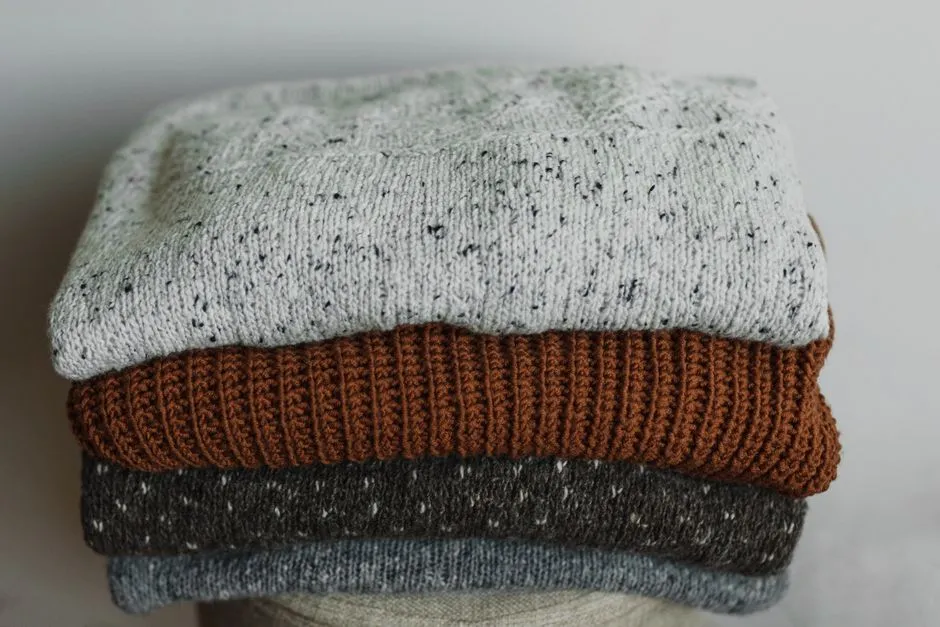
Why Wool Is a Target and Acrylic Mostly Isn't
Clothes moths don't eat wool for the fiber itself — they eat it for the keratin, the protein that makes up wool, alpaca, mohair, and other animal fibers. The actual damage comes from the larvae, not the adult moths you occasionally see fluttering around a closet. Adult moths don't feed at all; they lay eggs and move on, and it's the larval stage that chews through skeins and finished sweaters over several weeks.
This is why synthetic yarn is largely, though not entirely, safe. Acrylic, nylon, and other synthetics contain no keratin, so larvae can't digest them as food. The exception is blends and heavily soiled synthetics — a wool-acrylic blend still offers keratin, and larvae are drawn to any fiber carrying food stains, sweat, or skin oils, wool or not. If you're deciding what to stock up on for a project where storage conditions are uncertain, it's worth reading our comparison of wool vs acrylic yarn before you buy — fiber choice is genuinely part of a moth-prevention strategy, not just a texture preference.
Signs of Moths in Your Stash
Catching an infestation early saves far more yarn than any repellent does. Look for:
- Irregular holes in finished knits or loosely wound skeins, often clustered rather than single
- Silky, tube-like webbing or casings, sometimes matching the yarn color, tucked into skein folds or seams
- Fine, sand-like debris (frass) at the bottom of a storage bin
- Shed larval skins, which look like tiny pale husks
- Adult moths seen indoors at dusk or in dark corners — the common webbing clothes moth avoids light and rarely flies toward windows, unlike pantry moths, which is a useful way to tell the two apart
If you spot any of this, treat the whole storage area as suspect, not just the one skein — larvae travel, and eggs are easy to miss.
Where Moths Actually Come From
Very few infestations start with moths flying in from outside and beelining for your stash. Far more often, they arrive already inside: a secondhand sweater, a bag of yarn bought at an estate sale, a wool coat that's been hanging in storage for years, or even a bird's nest or wool insulation somewhere in the building. Once eggs hatch indoors, the larvae seek out the nearest food source, which in a craft room is often the yarn stash sitting in open bins nearby.
This is also why moth activity can seem to appear out of nowhere. Larvae feed slowly and stay hidden in folds and seams, so weeks or months can pass between an egg hatching and the first hole becoming visible. Warmer months tend to see more adult moth activity and faster larval development, but heated indoor spaces mean an infestation can technically progress year-round, not just in summer.
The Prevention Toolkit: What Actually Works
No single method is foolproof on its own. The strongest approach layers a physical barrier (sealed storage) with a monitoring or deterrent tool, and treats new yarn before it ever joins the stash.
| Method | How it works | Worth knowing |
|---|---|---|
| Airtight bins or bags | Physically blocks adult moths from reaching fiber to lay eggs | Only as good as the seal — a loose lid or a bag left open overnight defeats the point |
| Freezing new yarn | Cold kills eggs and larvae that may already be present | Needs a hard freeze (well below the fridge's freezer setting isn't required, but a deep freeze for several days is more reliable than one overnight), and yarn should be double-bagged to avoid moisture from condensation |
| Cedar (blocks, rings, chips) | The scent is a mild deterrent to egg-laying moths | Cedar oil evaporates over time — blocks need periodic light sanding or a drop of cedar oil to stay effective, and cedar alone won't kill an existing infestation |
| Lavender (sachets, oil) | Scent-based deterrent, similar concept to cedar | Evidence for lavender's effectiveness is thinner than for cedar; treat it as a pleasant supplement, not a primary defense |
| Pheromone traps | Lure and catch adult male moths, breaking the breeding cycle | Useful for detecting an active problem early — it won't remove eggs or larvae already in your yarn |
| Regular inspection | Catches problems before they spread | Costs time, not money — still the single most reliable habit |
Older advice sometimes points to mothballs, but they rely on naphthalene or paradichlorobenzene, both of which are meant for enclosed, non-living-space storage and carry a strong, lingering odor that many knitters find impossible to air out of finished garments. Most modern fiber-care guidance favors the physical and pheromone-based methods above instead.
Sealed Storage Does the Heavy Lifting
If you do only one thing, make it this: store yarn in something moths can't get into, whether that's a bin with a true gasket seal, a heavy zip-top bag with the air pressed out, or a cedar chest with a tight-fitting lid. Cardboard boxes and open baskets look tidy but do nothing to stop an adult moth from walking or flying in. For a fuller rundown of bins, shelving, and stash organization that also protects against light and dust, see our guide to how to store yarn.
Freeze New Yarn Before It Joins the Stash
Secondhand yarn, thrift-store finds, or anything that's spent time in an attic or garage is the most common way moths enter a clean stash. A few days in a deep freeze, double-bagged to keep moisture out, is standard practice before shelving anything of uncertain origin. It's a cheap insurance step that costs nothing but freezer space and a little patience.
Cedar and Lavender Are Deterrents, Not Cures
Both work on the same principle: a scent that makes wool a less appealing place to lay eggs. Neither kills existing larvae, and neither replaces sealed storage — think of them as an added layer, not the whole system. If you already have an infestation, cedar and lavender won't solve it; isolate and treat the affected yarn first.
Wash Before You Store
Sweat, skin oils, and food residue make wool more attractive to moths, not less. Any hand-knit or garment going into long-term storage should be clean first. Because wool felts easily under heat and agitation, that means a cold wash with no scrubbing or wringing — full details are in our guide to how to wash wool sweaters, which covers the cold-water, no-agitation approach that keeps fibers intact.
If You Find Moths Already
- Isolate every skein and garment in the affected area — assume nearby yarn is exposed too.
- Freeze or wash anything suspect. A hard freeze for several days kills eggs and larvae; a cold hand wash removes residue that attracts them in the first place (wool only — check fiber content first).
- Vacuum and wipe down shelves, bins, and corners where frass or webbing was found, then dispose of the vacuum bag outside.
- Set pheromone traps in the area for a few weeks afterward to confirm the breeding cycle is actually broken, not just interrupted.
- Re-inspect the whole stash on a schedule for the next month or two — one missed skein can restart the problem.
Two Moth Species, Same Damage
Most household fiber damage comes from one of two related pests: the webbing clothes moth and the casemaking clothes moth. Both target keratin and both are attracted to soiled fiber, but they leave slightly different evidence. Webbing clothes moth larvae spin silky feeding tunnels or patches directly on the fabric, while casemaking larvae build a small, portable, tube-shaped case they drag around as they feed, which can look like a bit of stray lint until you look closely. Neither species needs light to survive, which is part of why an infestation can sit undetected in a dark closet or a stacked, rarely-opened bin for a long stretch.
Distinguishing the two matters less for prevention than it does for confirming what you're dealing with. Either way, the response is the same: isolate, freeze or wash, and seal storage going forward.
The Bottom Line
Moths target keratin, not yarn in general, so fiber choice, cleanliness, and a genuinely sealed storage system do more than any single repellent. Cedar and lavender are reasonable, low-effort additions once the physical basics are covered — they're not substitutes for them.