How to Substitute Yarn Without Wrecking the Pattern
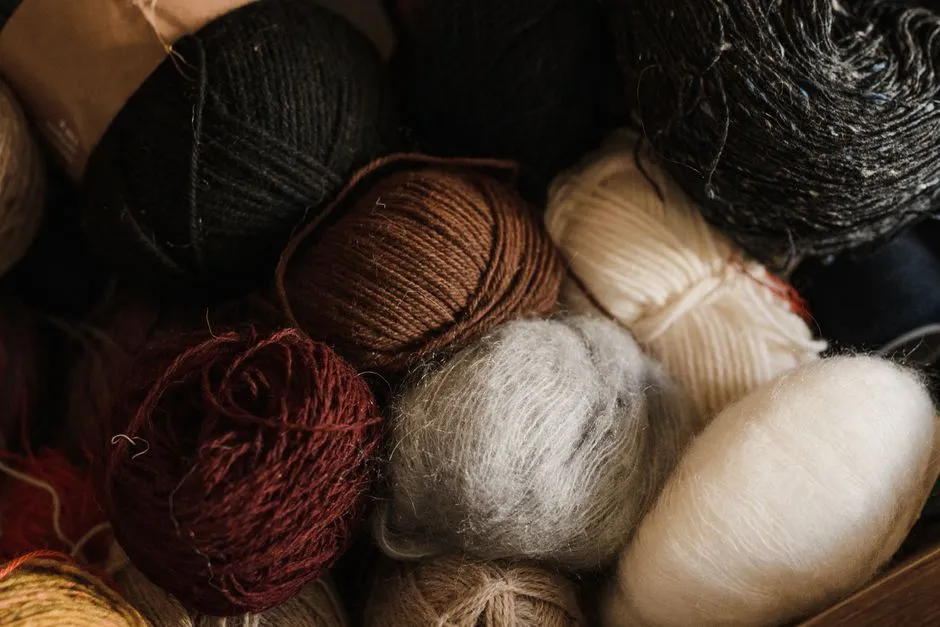
A Good Yarn Substitute Matches the Fabric, Not Just the Label
To substitute yarn in a knitting pattern, match the original yarn's gauge, fiber behavior, construction, and care requirements, then calculate the purchase by total yardage or meterage—not by the number of skeins. The weight category is only a shortlist. A generous washed swatch decides whether the substitute actually works.
That distinction saves projects. Two yarns can both say “worsted” and produce fabrics with different density, bounce, drape, halo, and row gauge. The label gets them into the same audition room; it does not hand either one the role.
The Five Things That Need to Match
| Factor | What to compare | Why it matters |
|---|---|---|
| Gauge | Stitches and rows after washing | Controls finished size and fabric character |
| Fiber behavior | Elasticity, drape, warmth, moisture response | Changes fit, movement, and recovery |
| Construction | Plies, twist, smoothness, halo | Changes stitch definition and abrasion resistance |
| Yardage | Total length required, plus a sensible margin | Skein sizes vary wildly |
| Care | Washing, drying, heat, colorfastness | The strictest component usually sets the routine |
1. Gauge—including row gauge
The pattern gauge is the non-negotiable measurement. If it calls for 20 stitches and 28 rows over 4 inches in stockinette, your blocked fabric must land close to both numbers in the stitch pattern the designer specifies.
Stitch gauge controls width. Row gauge controls length wherever the pattern tells you to work a fixed number of rows, shapes a sleeve cap row by row, or places increases at set row intervals. A pattern written mostly in inches or centimeters gives row gauge more forgiveness, but it still affects how rapidly shaping occurs.
Do not select a substitute solely because its ball band shows the same suggested gauge. Ball-band ranges describe a reasonable starting neighborhood. Your hands, needle material, stitch pattern, and desired fabric decide the address. Our guide to measuring knitting gauge explains how to count without leaning on the unreliable outer stitches.
2. Fiber behavior
Fiber content is not a decorative detail. It tells you what the fabric is likely to do after gravity, washing, and wear join the project.
- Wool usually offers useful elasticity and memory, making it a strong fit for ribbing, cables, and garments that need to recover.
- Alpaca brings warmth, halo, and drape but less spring; a direct swap into a fitted wool sweater can grow or sag.
- Cotton and linen make cooler, heavier fabrics with little natural elasticity. They can pull a loose garment downward and feel firmer on the hands.
- Acrylic is consistent and washable but responds differently to heat and may not block or recover like wool.
- Nylon in a blend often supports abrasion resistance, useful in socks and other high-wear areas.
This does not mean fiber must match ingredient for ingredient. It means the replacement needs to perform the same job. A wool-nylon blend can replace another wool-nylon blend without identical percentages if the swatch has the required bounce, density, and feel. Replacing springy wool with pure cotton in close-fitting ribbing is a much larger design change.
3. Yarn construction
Look past the fiber list to the strand itself. A tightly twisted multi-ply yarn tends to show cables and textured stitches clearly. A softly spun single may bloom into a cohesive surface but pill sooner under friction. A brushed or fuzzy yarn can hide lace detail and make ripping back unpleasant. A chainette yarn may feel unusually light for its apparent thickness.
Hold the candidate beside a photo or leftover strand of the original if you have one. Ask whether the pattern relies on crisp lines, airy halo, firm structure, or fluid drape. The substitute should support that intention.
For colorwork, also compare contrast and surface character. Two close colors may merge; two yarns with dramatically different halo can make one motif look blurred even when their gauge matches.
4. Total length
Buy by yards or meters, never by skein count. If a pattern uses five 50-gram balls, that tells you weight purchased—not length. The substitute may place much more or less yarn in each ball.
Use this calculation:
required skeins = pattern's total required length ÷ substitute length per skein, rounded up
Suppose the pattern requires 900 yards and the substitute contains 220 yards per skein:
900 ÷ 220 = 4.0909...
Round up to five skeins. Four contain only 880 yards, which is 20 yards short before swatching or joining. For a garment, all-over cable pattern, uncertain size adjustment, or yarn with dye lots, one additional skein can be sensible insurance. Keep it returnable until the swatch is approved.
If the pattern lists several sizes, use the number for your chosen size, not the smallest figure in the row. Our broader yardage planning guide covers the arithmetic behind projects that do not provide a neat total.
5. Care compatibility
The finished object has one care routine, even when its yarns came from several labels. Read the substitute's washing, drying, bleaching, and ironing instructions before buying. The Craft Yarn Council's care-symbol guide explains the five basic symbol groups and notes that an X means the treatment should not be used.
If the project combines old and new yarn, follow the strictest care requirement. A machine-washable stripe does not make an untreated-wool sweater machine washable. A heat-tolerant cotton border does not make acrylic safe under a hot iron.
A Step-by-Step Substitution Test
Step 1: Build the original yarn's profile
From the pattern and original label, record:
- Fiber content and percentages
- Length per skein and skein weight
- Yarn weight category
- Pattern gauge and needle size
- Ply or construction notes, if available
- Care instructions
- Total length for your size
The Craft Yarn Council's yarn-label information describes the numbered weight symbols used on labels. Treat that symbol as one field in the profile, not the whole profile. Our label-reading guide helps with the other fields.
Step 2: Decide which qualities matter most
A blanket may prioritize washability, softness, and price. A cabled hat needs elasticity and definition. A summer top needs drape, low warmth, and comfortable contact with skin. A felted bag requires a non-superwash animal fiber that will actually felt.
Write down the top three qualities. This prevents a common mistake: finding a technically plausible substitute that solves the least important part of the project.
Step 3: Shortlist within a similar thickness
Use the same weight category as the first pass, then compare the label's suggested gauge range and length per unit weight. Similar yards per 100 grams can be a useful clue when fiber and construction are also similar. It is not a conversion formula: a lofty wool and a dense plant fiber can have similar thickness but very different weight and behavior.
Avoid doubling yarn unless you are willing to treat the combination as a new yarn. Two strands of a finer yarn do not automatically equal a particular standard weight, and the doubled fabric may have a different roundness, density, and yardage requirement.
Step 4: Swatch larger than the measuring window
Cast on enough stitches to create at least a 6-inch square when the pattern measures over 4 inches. Work in the specified stitch pattern, add a non-curling border if needed, and make the swatch large enough that the center can relax normally.
Then wash and dry it exactly as the finished piece will be treated. Do not persuade a near miss into compliance by stretching it aggressively unless the pattern explicitly relies on that blocking method. Let it rest, measure the center, and note both stitch and row gauge.
Step 5: Adjust the needle, then judge the fabric
If you have too many stitches per 4 inches, try a larger needle. If you have too few, try a smaller needle. That is the usual direction, but matching the number is not enough.
A much larger needle can force a thick yarn to the target gauge while producing loose, unstable fabric. A much smaller needle can produce fabric that is unacceptably stiff. Once the gauge matches, hold, bend, stretch, and wear the swatch against the intended part of the body. If the fabric is wrong, reject the yarn rather than continuing to chase the arithmetic.
Common Substitutions—and the Catch in Each
Superwash wool for untreated wool
This can improve washability, but superwash fabric may relax or grow more. Wash the swatch and hang it briefly if the finished garment's weight will pull on it. Never assume “wool” means one care routine.
Acrylic for wool
The swap can work well for blankets and easy-care gifts. Expect less natural elasticity and a different response to blocking. Keep direct high heat away from acrylic; follow the label rather than treating steam like a universal correction tool.
Cotton for wool
Expect less bounce and more weight. This is often successful in loose summer silhouettes and less successful in fitted ribbing, socks, or garments that depend on recovery. Knitters with hand or wrist pain may also find inelastic plant fibers tiring.
Hand-dyed yarn for a solid commercial yarn
Gauge may match beautifully while color behaves differently. Alternate skeins every one or two rows if visible pooling or skein-to-skein shifts would bother you. Buy enough from the same dye lot or batch when the maker uses one.
When Not to Substitute
Do not casually substitute when the yarn creates the technique: felting, steeking with grippy wool, highly structured brioche, transparent lace, or a design built around a particular brushed halo. You can still change yarn, but it becomes a design experiment rather than a straightforward replacement.
Also pause when the pattern provides no gauge, no finished measurements, and no length requirement. That is not a substitution puzzle; it is missing information. Make a prototype or choose a better-specified pattern before committing expensive yarn.
The Final Checklist
Before buying, confirm that the substitute can:
- Meet stitch and row gauge after washing
- Produce the right density, drape, and elasticity
- Show the stitch pattern clearly enough
- Survive the intended care routine
- Supply the full required length in your chosen size
- Be purchased in compatible colors or dye lots
- Feel good enough that you will want to knit the whole project
The final point is not fluff. A mathematically perfect yarn that splits on every stitch or irritates your hands is not a good substitute. Numbers get the candidate onto your needles; the washed swatch gets the final vote.